Arkansas Becomes 2nd State to Pass Ten Commandments Display in Schools Bill
April 25, 2025 | PFLN Team
Article
Share:


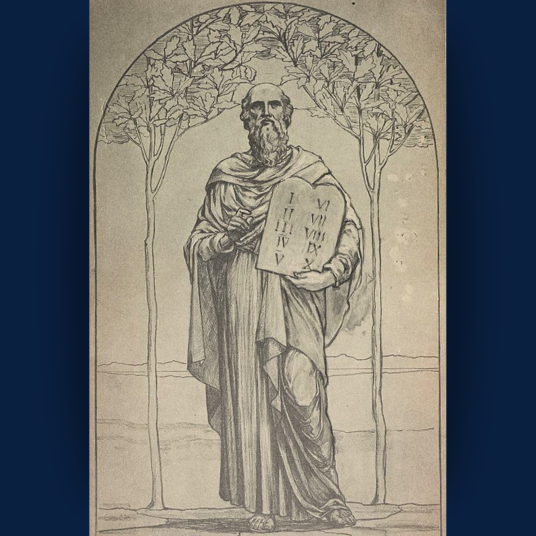

Arkansas has become the second state to require that the Ten Commandments be displayed in every public school classroom (K–12), every public university classroom, and in government buildings.
In the 2024 legislative session, we were honored to assist Louisiana Rep. Dodie Horton with testimony and support, as Louisiana became the first state to return the Ten Commandments to American classrooms. This followed the U.S. Supreme Court’s reversal of the outdated Lemon Test, replacing it with a “history and traditions” standard.
While more than 30 similar bills related to the Ten Commandments were filed during the 2025 legislative session, Arkansas was the first state this year to successfully pass and sign such a bill into law.
There are a few key differences between the Arkansas and Louisiana legislation. Arkansas’s statute falls under the same code section as its “In God We Trust” display requirements for public schools. Additionally, the Arkansas display is far simpler than Louisiana’s—it does not require a disclaimer. The poster will feature only the text of the Ten Commandments. The law also applies not just to public school classrooms but to government buildings as well.
The Arkansas law allows both private and public funds to be used for the displays if necessary. However, during the hearing, bill sponsors clarified that there are no plans to use state funds; they anticipate the displays will be privately funded and donated.
Tim and David Barton, along with Pro-Family Legislative Network Executive Director Audrea Decker, were honored to stand alongside PFLN members Senator Jim Dotson and Representative Alyssa Brown as Governor Sarah Huckabee Sanders signed this historic legislation to restore the Ten Commandments to Arkansas classrooms.

This law will help ensure students understand the Ten Commandments long-standing importance in America as a foundational part of our history and traditions.
Understanding the History of Supreme Court Precedent and Religious Displays
To understand what is happening with this surge of Ten Commandment legislation across the country, it’s important to know the history of the Supreme Court’s standing on this issue. Religious freedom is a bedrock of America’s Founding and the Ten Commandments have long been part of American education. However, in the Supreme Court’s decision in Lemon v. Kurtzman (1971), they set a new criteria called the Lemon test to determine if government actions violated the Establishment Clause of the First Amendment. The test had three main components:
- Purpose: The action must have a secular purpose.
- Effect: It must not advance or inhibit religion.
- Excessive entanglement: It must not excessively involve the government with religion.
For the last several decades expression of America’s religious heritage has been restricted as the Lemon test prohibited many religious displays and dramatically curtailed the original religious freedom protections of the First Amendment.
The Lemon test was the culmination of separationists’ fight to eradicate all references to religion from the public sphere. They used the Lemon test to block as many displays of America’s religious heritage as they could, including Ten Commandments displays and veterans’ memorials. One of the largest upheavals was in Stone v. Graham in 1980. The Supreme Court used the Lemon test to strike down Kentucky’s law requiring that the Ten Commandments be displayed in public schools. This was a turning point in America, as schools across the country removed their Ten Commandment displays.
Supreme Court Overturn of the Lemon Test, Leads with History and Tradition Test
Since the Supreme Court’s implementation of the Lemon test, thousands of cases have been decided by this faulty standard for the past 50 years. However, in recent years the Court reverted back to America’s original interpretation of the First Amendment and in the case Kennedy v. Bremerton School District. The Court overturned Lemon and instead looked to America’s history and tradition for whether the government may recognize our religious heritage.
Expanding Religious Freedom in Public Life
America can once again welcome religious displays back into the public square if they are part of our nation’s long-standing history and traditions. Nativity scenes, the Ten Commandments in classrooms and courtrooms, can all be reintegrated into American society. The time is ripe for moral and religious support to be encouraged in schools and in the public square.
Considering Ten Commandment Legislation in Your State? We are ready to help!
We continue to work with legislators across the country on this issue through our Pro-Family Legislative Network. If you would like assistance with similar legislation in your state, please let us know.